
1 November, 2024
0 Comments
1 category
In the ever-evolving landscape of healthcare, the integration of technology has revolutionized how we approach patient care. At the forefront of this transformation is the collection and analysis of real-time health data, which plays a pivotal role in enabling personalized care. This data-driven approach not only enhances patient outcomes but also fosters a deeper, more collaborative relationship between patients and healthcare providers. Here’s how real-time health data is reshaping personalized care and what it means for patients and their well-being.
1. Continuous Monitoring for Better Insights
Real-time health data enables continuous monitoring of vital signs and health metrics through devices such as wearables, home monitoring equipment, and mobile health applications. By providing constant updates on a patient’s condition, healthcare providers can identify trends and fluctuations that may indicate a need for intervention.
For example, a heart rate monitor can alert both the patient and their doctor if an irregular heartbeat is detected. This immediate insight allows for timely responses, which can prevent complications and support better overall health management. Continuous monitoring is especially beneficial for individuals with chronic conditions, such as diabetes or hypertension, as it provides a comprehensive picture of their health status over time.
2. Tailored Treatment Plans Based on Individual Data
One of the most significant advantages of real-time health data is its ability to inform personalized treatment plans. With access to up-to-date information about a patient’s health, healthcare providers can adjust medications, therapies, and lifestyle recommendations to better suit individual needs.
For instance, if a diabetes patient’s glucose levels are consistently higher than recommended, their doctor can modify their insulin dosage or suggest dietary changes based on the patient’s specific data. This level of customization not only enhances treatment efficacy but also encourages patient adherence, as individuals are more likely to follow a plan that aligns with their unique health needs.
3. Empowering Patients with Actionable Insights
Real-time health data empowers patients by providing them with actionable insights into their health. With access to their own health metrics, patients can take an active role in managing their care. This shift from passive recipients of healthcare to engaged participants fosters a sense of ownership over one’s health journey.
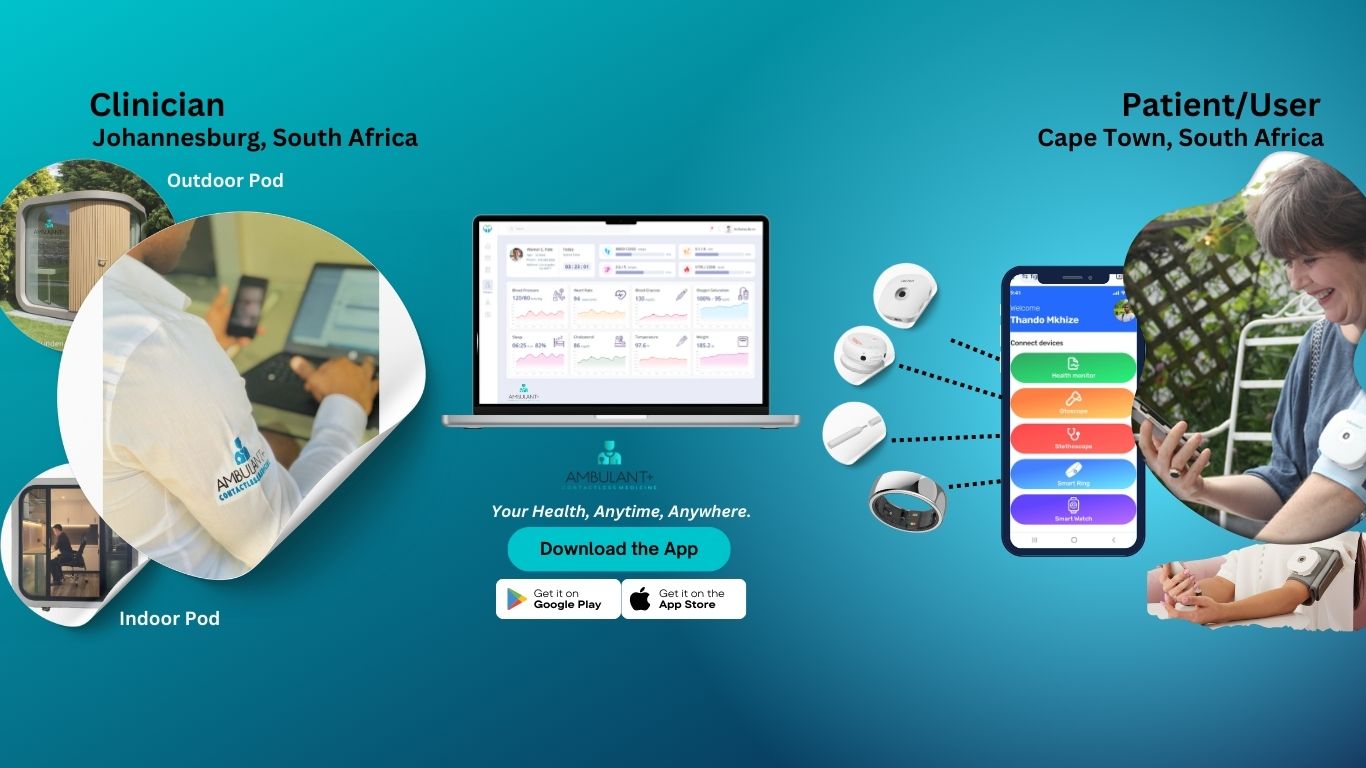
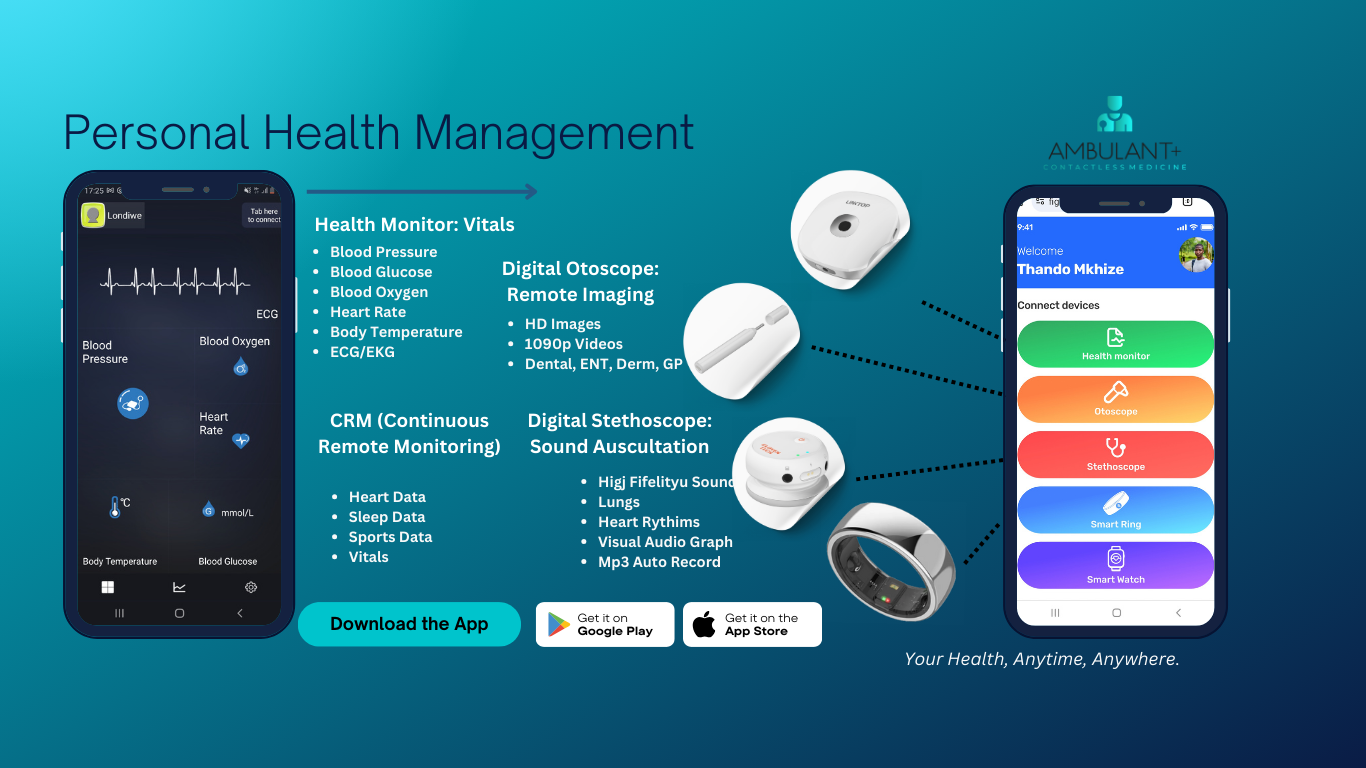
For example, through mobile applications like Ambulant+, patients can track their daily activity, monitor their vital signs, and receive personalized feedback on how to improve their health. This empowerment not only increases motivation but also leads to healthier lifestyle choices, as patients can see the direct impact of their actions on their well-being.
4. Facilitating Proactive Interventions
The ability to access real-time data enables healthcare providers to implement proactive interventions before a health issue escalates. By analyzing trends in a patient’s data, clinicians can identify potential risks and take action to prevent complications.
For instance, if a patient’s blood pressure readings begin to trend upward, a provider can reach out to discuss lifestyle modifications or adjust medications before the patient experiences a hypertensive crisis. This proactive approach is especially crucial for high-risk populations, as it can significantly reduce hospitalizations and emergency interventions.
5. Enhancing Communication and Collaboration
Real-time health data fosters enhanced communication and collaboration between patients and healthcare providers. With shared access to health metrics, both parties can engage in meaningful conversations about care plans and treatment options. This transparency builds trust and encourages patients to voice concerns and ask questions, leading to more effective collaboration in decision-making.
For example, during telehealth consultations, providers can review real-time data with patients, discussing how specific metrics relate to their overall health. This collaborative approach not only improves patient satisfaction but also ensures that care is aligned with the patient’s goals and preferences.
6. Improving Health Outcomes Through Data-Driven Decisions
Data-driven decision-making is at the core of personalized care, and real-time health data significantly enhances the accuracy and relevance of clinical judgments. With access to comprehensive data, healthcare providers can make informed decisions that lead to improved health outcomes.
For instance, by analyzing a patient’s response to a specific medication in real time, a provider can determine whether to continue, adjust, or change the treatment. This level of precision in decision-making is critical in managing complex health conditions and can lead to better recovery rates and overall patient satisfaction.
7. Supporting Preventive Health Strategies
Real-time health data also plays a crucial role in preventive health strategies. By monitoring health metrics continuously, healthcare providers can identify early warning signs and implement preventive measures to mitigate risks. This proactive stance not only reduces the likelihood of developing chronic conditions but also supports overall health and well-being.
For instance, a fitness tracker that monitors physical activity levels can prompt users to engage in more exercise when their activity decreases, helping to maintain a healthy lifestyle and prevent obesity-related health issues.
8. Integration with Other Health Systems
The integration of real-time health data with other health systems—such as electronic health records (EHRs), laboratories, and pharmacy systems—creates a comprehensive view of a patient’s health journey. This holistic approach enables healthcare providers to consider all aspects of a patient’s health when making decisions, leading to more informed and effective care.
For example, if a patient’s lab results indicate elevated cholesterol levels, their healthcare provider can review their real-time health data to assess lifestyle factors and medication adherence. This comprehensive analysis allows for a more nuanced approach to treatment and prevention.
Conclusion
Real-time health data is transforming personalized care by providing healthcare providers with continuous insights into a patient’s health status. This innovative approach enables tailored treatment plans, proactive interventions, and improved patient engagement, ultimately leading to better health outcomes.
As technology continues to advance, the potential for real-time data to support personalized care will only grow, paving the way for a more connected, responsive, and patient-centered healthcare system. Embracing this data-driven future will empower both patients and providers, ensuring that everyone can achieve their health goals together.
Category: Uncategorized
Related Posts

From Home to Hospital: How Ambulant+ Bridges the Gap in Healthcare
Healthcare delivery is transforming. Thanks to platforms like Ambulant+, patients can now stay connected to their healthcare providers outside of the hospital, receiving continuous, high-quality care from home. This shift is especially impactful for people with ongoing health needs, offering the flexibility of remote monitoring alongside the security of real-time…
The Future of IoMT and Contactless Medicine: Trends to Watch
As healthcare continues to evolve, the Internet of Medical Things (IoMT) and contactless medicine are at the forefront of transforming patient care. These innovations promise to enhance how healthcare is delivered, making it more accessible, efficient, and patient-centered. Here are some key trends to watch as we look towards the…
Top IoMT Devices Changing the Game in Digital Health Today
The Internet of Medical Things (IoMT) is revolutionizing healthcare by integrating advanced technologies into everyday medical practices. IoMT devices enhance patient monitoring, streamline data collection, and improve communication between healthcare providers and patients. As the landscape of digital health continues to evolve, several key IoMT devices are making a significant…