
1 November, 2024
0 Comments
1 category
The Internet of Medical Things (IoMT) is revolutionizing healthcare by integrating advanced technologies into everyday medical practices. IoMT devices enhance patient monitoring, streamline data collection, and improve communication between healthcare providers and patients. As the landscape of digital health continues to evolve, several key IoMT devices are making a significant impact. Here’s a look at some of the top devices changing the game in digital health today.
1. Wearable Health Monitors
Wearable health monitors, such as smartwatches and fitness trackers, have gained immense popularity for their ability to track vital signs and physical activity. These devices can monitor heart rate, sleep patterns, and even blood oxygen levels. By providing real-time data, wearables empower users to take control of their health and help healthcare providers identify potential issues early on. Some popular examples include:
- Apple Watch Series: Offers heart rate monitoring, ECG capabilities, and fitness tracking.
- Fitbit Sense: Provides comprehensive health tracking, including stress management features and SpO2 monitoring.
2. Smart Glucose Meters
For individuals managing diabetes, smart glucose meters have transformed blood sugar monitoring. These devices connect to smartphones or tablets, allowing users to track their blood sugar levels over time and share data with healthcare providers. Some innovative options include:
- Freestyle Libre: A continuous glucose monitoring system that provides real-time glucose readings and trends without the need for finger pricks.
- Dexcom G6: A real-time CGM system that sends glucose data to smartphones and smartwatches for easy access and analysis.
3. Remote Patient Monitoring (RPM) Devices
RPM devices enable healthcare providers to monitor patients’ health conditions remotely, reducing the need for in-person visits. These devices can track various health metrics, such as blood pressure, heart rate, and respiratory rate. Notable examples include:
- Ambulant+ Health Monitor: This multi-functional device tracks vital signs and health metrics, providing continuous monitoring for chronic condition management and facilitating remote consultations.
- Omron HeartGuide: A wearable blood pressure monitor that provides accurate readings and integrates with a mobile app for easy tracking.
4. Smart Pill Bottles
Smart pill bottles aim to improve medication adherence by reminding patients when to take their medications. These devices send alerts to users’ smartphones and notify healthcare providers if doses are missed. Some popular smart pill bottles include:
- MedMinder: An intelligent pill dispenser that organizes medications and provides reminders for scheduled doses.
- PillDrill: A smart pill tracking system that enables users to scan their medication bottles and receive reminders for timely consumption.
5. Telehealth Platforms
Telehealth platforms integrate various IoMT devices, facilitating virtual consultations and remote health management. These platforms enhance patient-provider communication and allow healthcare professionals to monitor patient progress effectively. Examples of leading telehealth solutions include:
- Teladoc Health: Offers comprehensive virtual healthcare services, including remote consultations and monitoring of chronic conditions.
- Doxy.me: A simple, HIPAA-compliant telemedicine solution that connects patients and healthcare providers seamlessly.
6. Smart Stethoscopes
Smart stethoscopes combine traditional auscultation with digital technology, enabling healthcare providers to record, store, and analyze heart and lung sounds. These devices enhance diagnostic capabilities and facilitate remote assessments. Noteworthy options include:
- Eko Core Stethoscope: This device pairs with a smartphone app to record and analyze heart sounds, offering visual representations of audio recordings for better diagnostics.
- Littmann Smart Stethoscope: Equipped with Bluetooth technology, it allows users to visualize heart sounds and access educational resources through a companion app.
7. Connected ECG Monitors
Connected ECG monitors enable users to track their heart health from home. These devices can provide accurate ECG readings and send data directly to healthcare providers for real-time monitoring. Examples include:
- KardiaMobile: A portable ECG device that records heart rhythms and detects atrial fibrillation, providing instant results through a mobile app.
- AliveCor KardiaBand: An accessory for the Apple Watch that allows users to take ECG readings on their wrist.
Conclusion
The rise of IoMT devices is transforming the healthcare landscape by improving accessibility, enhancing patient engagement, and enabling proactive health management. With a diverse array of devices, from wearables to smart medical instruments, patients and healthcare providers can collaborate more effectively to achieve better health outcomes. As technology continues to advance, the potential for IoMT to reshape healthcare delivery will only expand, paving the way for a more connected and patient-centered approach to health management.
Category: Uncategorized
Related Posts
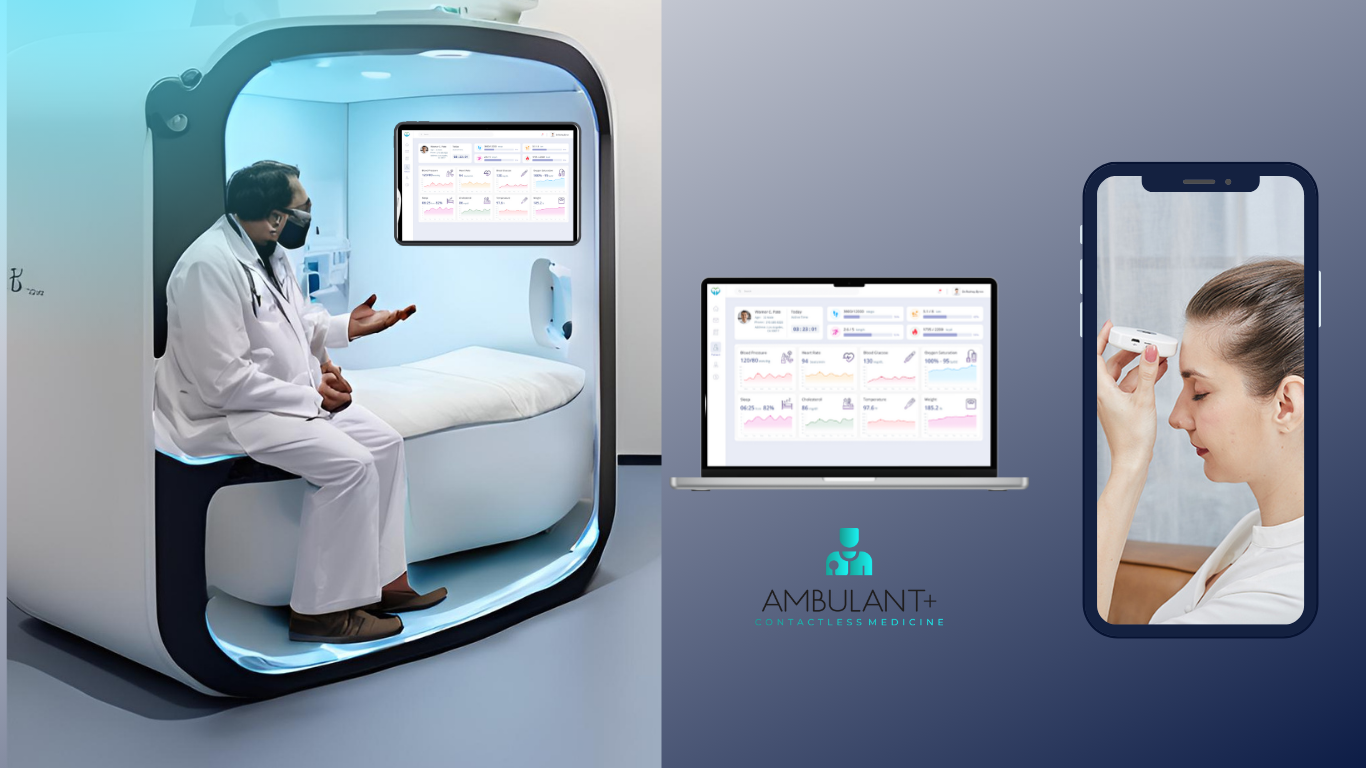
5 Myths About Remote Health Consultations Debunked
As the healthcare landscape evolves, remote health consultations have gained significant traction. However, several myths and misconceptions still linger, potentially preventing patients from fully embracing this innovative approach to healthcare. Let’s debunk five common myths about remote health consultations and shed light on their benefits. Myth 1: Remote Consultations Are…

How Families Can Manage Health Together with Ambulant+ Family Accounts
Managing family health can be challenging, especially with different routines, health needs, and age groups to consider. Ambulant+ Family Accounts are designed to simplify this, allowing families to monitor, manage, and support each other’s health from one shared platform. With the Family Account feature, everyone in your family can stay…
How the Digital Health Revolution is Creating New Healthcare Jobs
The digital health revolution is transforming the healthcare landscape, not just in terms of technology and patient care but also in the creation of new job opportunities. As telehealth, remote patient monitoring, and digital health tools become more prevalent, the demand for skilled professionals in these areas is on the…