
1 November, 2024
0 Comments
1 category
As the healthcare landscape evolves, remote health consultations have gained significant traction. However, several myths and misconceptions still linger, potentially preventing patients from fully embracing this innovative approach to healthcare. Let’s debunk five common myths about remote health consultations and shed light on their benefits.
Myth 1: Remote Consultations Are Only for Tech-Savvy Individuals
Reality: One of the biggest misconceptions is that remote health consultations require advanced technical skills. In reality, many platforms, including Ambulant+, are designed to be user-friendly, allowing individuals of all ages and tech backgrounds to navigate them easily. Most services provide straightforward instructions, and customer support is often available to assist users who may need help.
Myth 2: Remote Consultations Lack Personal Connection
Reality: Some people believe that virtual consultations lack the personal touch of in-person visits. However, remote consultations can foster meaningful doctor-patient relationships through video calls, chat features, and follow-up communication. Providers can still show empathy, listen actively, and engage with patients just as they would in person. Moreover, the convenience of remote consultations can lead to more frequent check-ins, enhancing the overall connection.
Myth 3: Remote Consultations Are Less Effective Than In-Person Visits
Reality: While there are specific situations that require in-person assessments, many health issues can be effectively managed through remote consultations. Research indicates that telehealth can be just as effective as traditional in-person visits for various conditions, including mental health issues, chronic disease management, and follow-up appointments. Physicians can diagnose, treat, and monitor patients remotely, ensuring quality care while saving time and resources.
Myth 4: Insurance Doesn’t Cover Remote Consultations
Reality: Many people assume that insurance plans do not cover remote health consultations. However, this is increasingly changing. Numerous insurance providers now recognize the importance of telehealth services and have expanded their coverage to include virtual consultations. It’s essential for patients to check with their insurance providers to understand their specific policies regarding remote healthcare.
Myth 5: Remote Health Consultations Don’t Provide Access to Comprehensive Care
Reality: A common belief is that remote consultations limit access to comprehensive healthcare services. On the contrary, platforms like Ambulant+ integrate various tools that allow healthcare providers to offer holistic care remotely. Through the use of IoMT devices, real-time data can be shared during consultations, enabling providers to assess conditions more accurately and create personalized treatment plans. Moreover, referrals to specialists and follow-up care can also be seamlessly coordinated through telehealth platforms.
Conclusion
As remote health consultations continue to grow in popularity, it’s crucial to address the myths that may hinder patients from utilizing these services. By debunking these misconceptions, we can encourage more individuals to embrace the convenience, accessibility, and effectiveness of telehealth. Whether it’s managing chronic conditions or seeking general medical advice, remote consultations can play a vital role in enhancing patient care and improving health outcomes. Embracing this digital health revolution means recognizing the value it brings to both patients and healthcare providers alike.
Category: Uncategorized
Related Posts
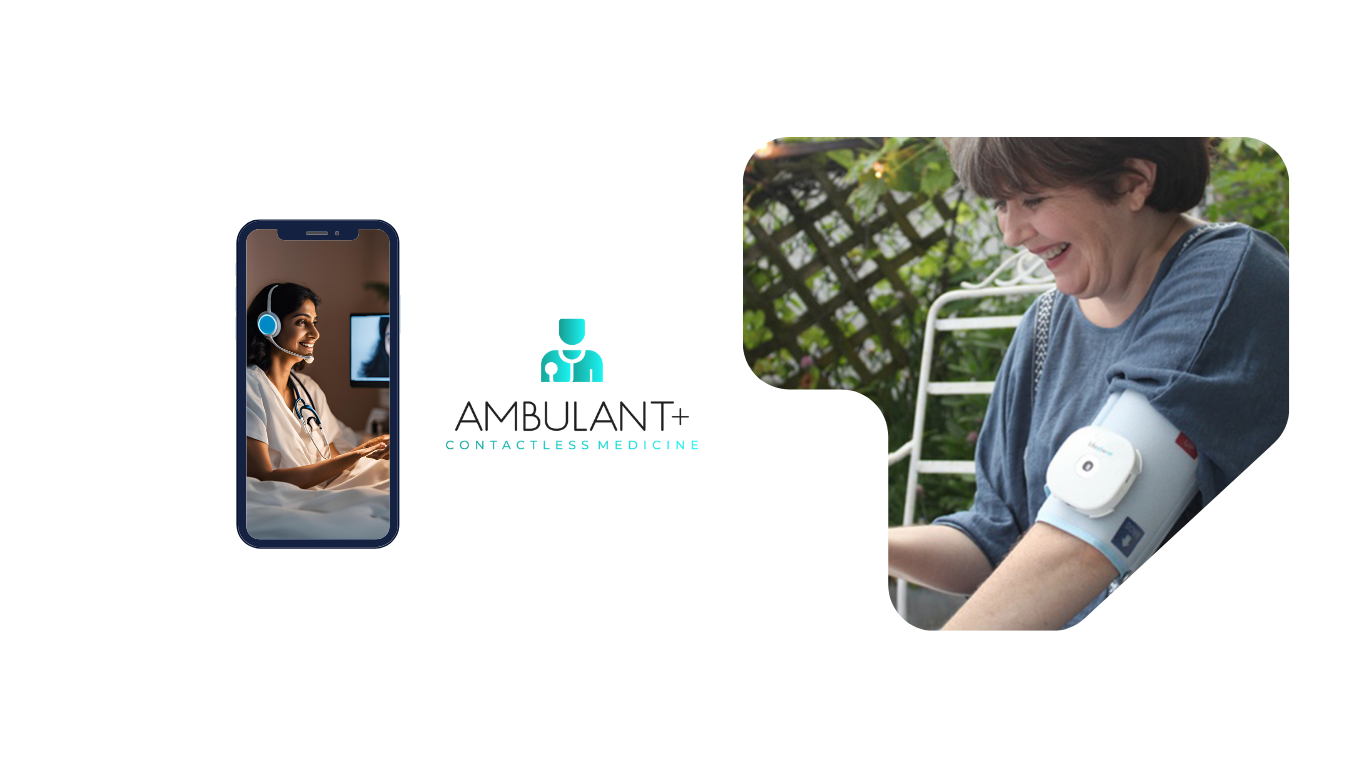
Digital Health Tools: Ambulant+ Integrations with Insurance Providers
As healthcare continues to evolve with the rise of digital health technologies, the integration of platforms like Ambulant+ with insurance providers is transforming the way patients access and manage their healthcare. This collaboration not only enhances the convenience of healthcare delivery but also ensures that patients receive the support they…

From Home to Hospital: How Ambulant+ Bridges the Gap in Healthcare
Healthcare delivery is transforming. Thanks to platforms like Ambulant+, patients can now stay connected to their healthcare providers outside of the hospital, receiving continuous, high-quality care from home. This shift is especially impactful for people with ongoing health needs, offering the flexibility of remote monitoring alongside the security of real-time…
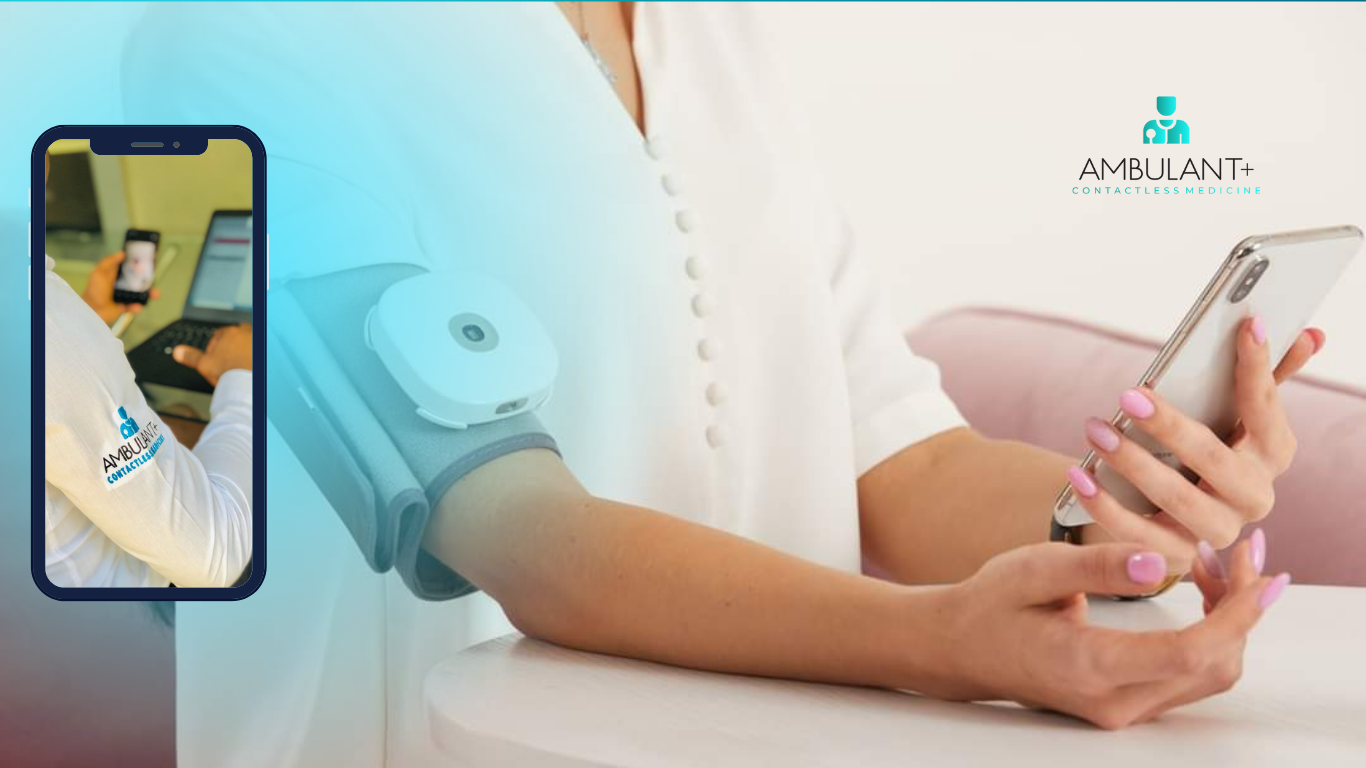
The Role of IoMT in Preventive Health: Staying Healthy with Continuous Monitoring
Preventive healthcare is shifting from annual check-ups to real-time, continuous health monitoring—and the Internet of Medical Things (IoMT) is at the center of this transformation. By seamlessly tracking vital health data, IoMT devices help individuals stay ahead of potential health issues, enabling preventive action before a problem becomes serious. This…