
1 November, 2024
0 Comments
1 category
As healthcare continues to evolve with the rise of digital health technologies, the integration of platforms like Ambulant+ with insurance providers is transforming the way patients access and manage their healthcare. This collaboration not only enhances the convenience of healthcare delivery but also ensures that patients receive the support they need while navigating their insurance benefits. In this article, we explore how Ambulant+ integrates with insurance providers and the significant benefits this brings to users.
1. Streamlined Access to Care
One of the primary advantages of integrating Ambulant+ with insurance providers is the streamlined access to care it offers. Patients can easily verify their insurance coverage and benefits directly through the platform. This transparency allows users to understand their out-of-pocket costs and avoid unexpected expenses. By simplifying the process of accessing care, Ambulant+ empowers patients to make informed decisions about their health without the stress of navigating complex insurance systems.
2. Cost-Effective Healthcare Solutions
Remote healthcare solutions, particularly those offered through Ambulant+, often result in cost savings for both patients and insurers. By utilizing telehealth services and remote patient monitoring, patients can reduce travel expenses associated with in-person visits. Additionally, insurance providers can benefit from lower claim costs related to emergency care and hospitalizations by promoting preventive care and early intervention through digital health tools. This shift towards cost-effective solutions aligns with the goals of many insurance companies to improve patient outcomes while managing healthcare costs.
3. Enhanced Coordination of Care
Ambulant+ integrates seamlessly with various healthcare providers, creating a comprehensive network for patient care. This integration fosters better communication between primary care physicians, specialists, and insurance providers, ensuring that all parties have access to up-to-date patient information. Enhanced coordination of care leads to more personalized treatment plans and a holistic approach to managing health. Patients can experience a smoother transition between different levels of care, resulting in improved health outcomes and greater satisfaction.
4. Comprehensive Health Data Tracking
The ability to collect and track health data is a crucial aspect of remote health solutions. Ambulant+ enables users to monitor their health metrics in real time, including vital signs, medication adherence, and symptom tracking. When integrated with insurance providers, this health data can be shared seamlessly, allowing insurers to gain insights into patient health trends and outcomes. This information can be invaluable for developing targeted wellness programs, improving claims processing, and identifying opportunities for preventive care initiatives.
5. Personalized Health Plans
Insurance providers are increasingly focusing on personalized healthcare plans that cater to the individual needs of patients. By integrating with Ambulant+, insurers can leverage the data collected through the platform to design tailored health plans that align with patients’ unique health conditions, lifestyle choices, and treatment goals. This personalization not only enhances patient engagement but also promotes adherence to treatment protocols, ultimately leading to better health outcomes.
6. Support for Chronic Disease Management
For patients with chronic conditions, effective management is crucial for maintaining health and preventing complications. Ambulant+ provides tools for remote patient monitoring, enabling users to track their health metrics from home. When integrated with insurance providers, this monitoring can lead to improved care coordination and timely interventions. Insurance companies can also use the data to identify patients at risk of exacerbations and proactively offer resources or support, ultimately reducing hospitalizations and emergency visits.
7. Increased Engagement and Accountability
Digital health tools like Ambulant+ encourage greater patient engagement in their health management. By integrating with insurance providers, patients can access resources, educational materials, and wellness programs that promote healthy behaviors. This increased engagement fosters accountability, empowering individuals to take an active role in their health journey. As patients become more informed and involved, they are more likely to adhere to treatment plans and achieve their health goals.
8. Improved Health Literacy
Many patients struggle with understanding their insurance benefits and navigating the complexities of healthcare systems. The integration of Ambulant+ with insurance providers enhances health literacy by providing patients with clear information about their coverage, benefits, and available resources. Educational content and tools within the platform can help demystify healthcare processes, making it easier for individuals to understand their options and make informed decisions.
Conclusion
The integration of Ambulant+ with insurance providers represents a significant advancement in the landscape of digital health. By streamlining access to care, promoting cost-effective solutions, and enhancing coordination among healthcare stakeholders, these integrations are improving the overall patient experience. As technology continues to shape the future of healthcare, the collaboration between digital health tools and insurance providers will play a crucial role in ensuring that patients receive the support they need to manage their health effectively. This partnership not only benefits individual patients but also contributes to the overall efficiency and sustainability of the healthcare system.
Category: Uncategorized
Related Posts
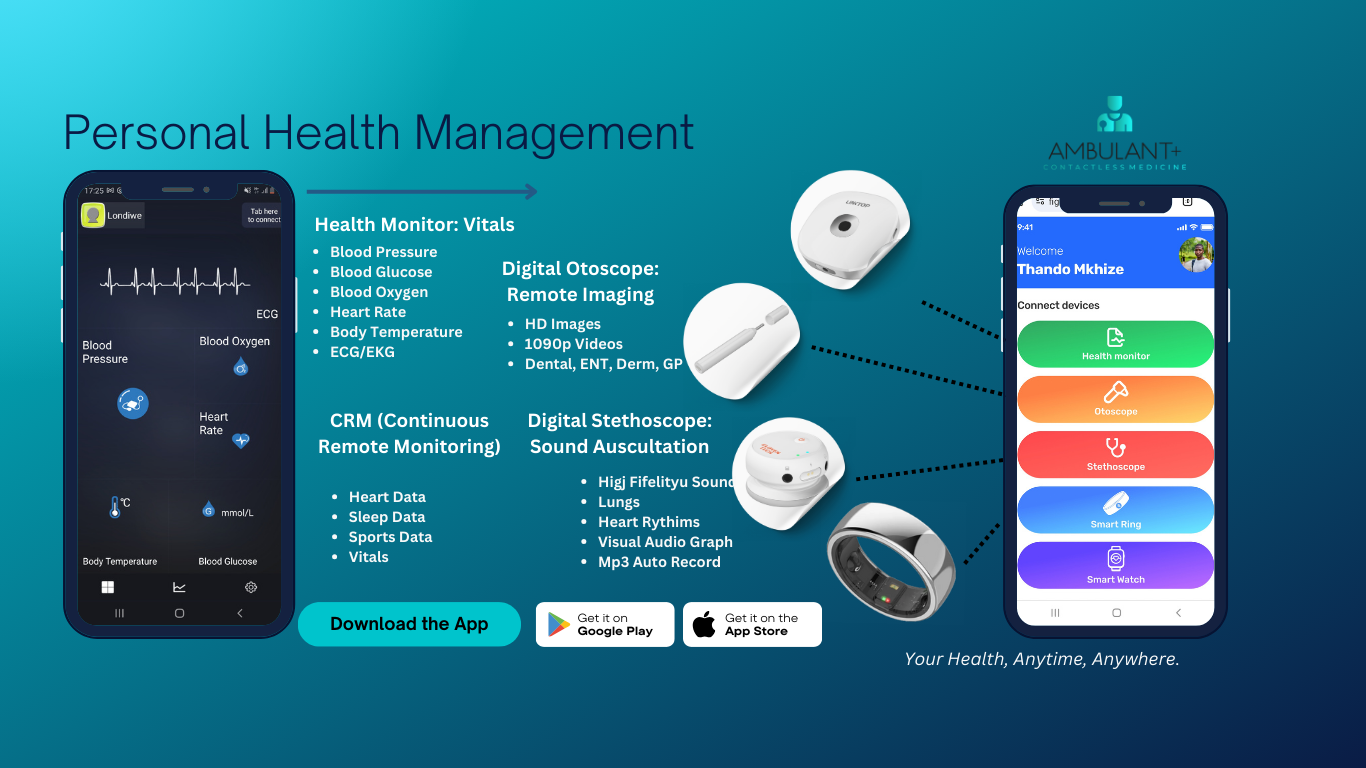
Top IoMT Devices Changing the Game in Digital Health Today
The Internet of Medical Things (IoMT) is revolutionizing healthcare by integrating advanced technologies into everyday medical practices. IoMT devices enhance patient monitoring, streamline data collection, and improve communication between healthcare providers and patients. As the landscape of digital health continues to evolve, several key IoMT devices are making a significant…
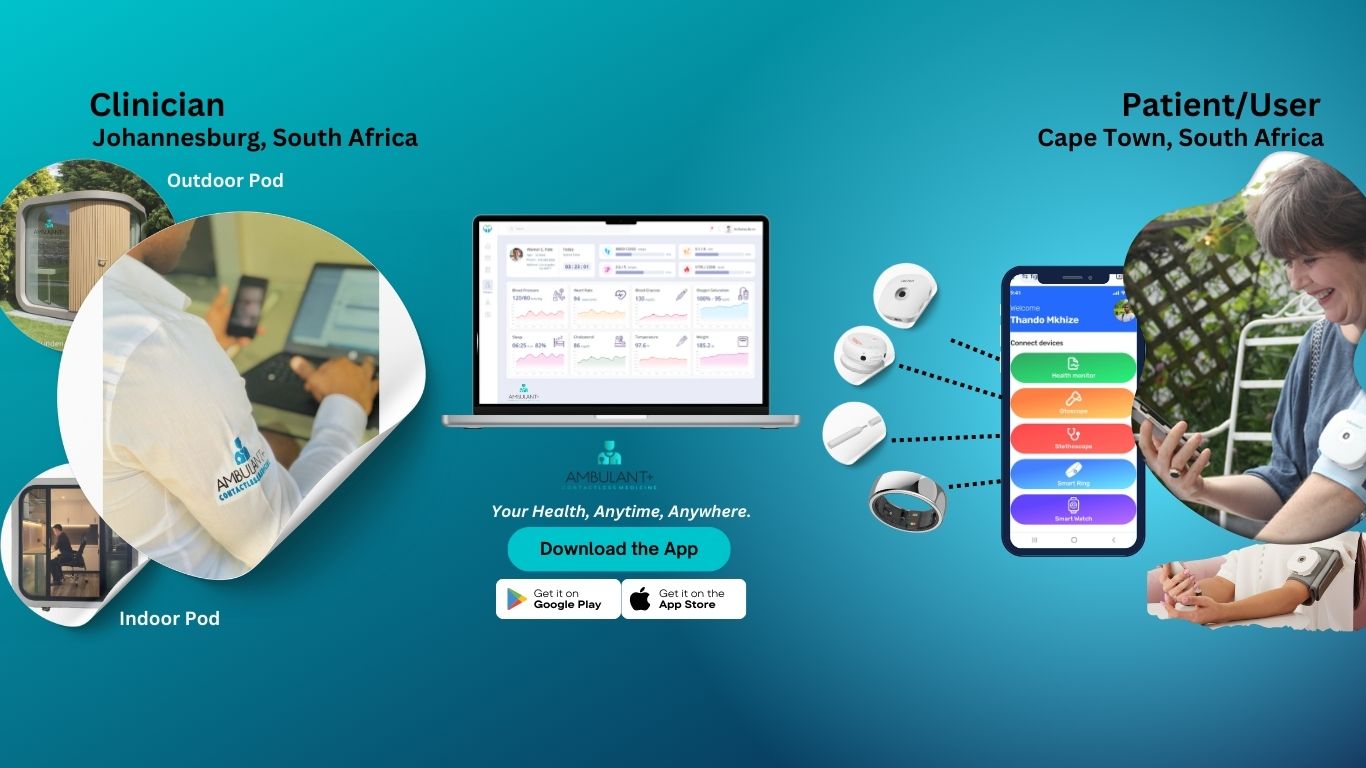
The Future of IoMT and Contactless Medicine: Trends to Watch
As healthcare continues to evolve, the Internet of Medical Things (IoMT) and contactless medicine are at the forefront of transforming patient care. These innovations promise to enhance how healthcare is delivered, making it more accessible, efficient, and patient-centered. Here are some key trends to watch as we look towards the…

How Families Can Manage Health Together with Ambulant+ Family Accounts
Managing family health can be challenging, especially with different routines, health needs, and age groups to consider. Ambulant+ Family Accounts are designed to simplify this, allowing families to monitor, manage, and support each other’s health from one shared platform. With the Family Account feature, everyone in your family can stay…